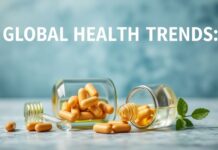
The Growing Popularity of Mineral Supplements
The global health and wellness industry has seen a significant shift towards mineral supplementation in recent years. As more people become aware of the importance of a balanced diet, the demand for mineral supplements has surged. These supplements are designed to fill nutritional gaps that may arise from dietary restrictions, health conditions, or lifestyle choices. According to recent studies, the market for mineral supplements is expected to grow exponentially, driven by increased health consciousness and the prevalence of mineral deficiencies worldwide.
Understanding Mineral Deficiencies
Mineral deficiencies are a common health issue affecting millions of people globally. Essential minerals such as iron, calcium, magnesium, and zinc play crucial roles in various bodily functions, including bone health, immune response, and metabolic processes. Deficiencies in these minerals can lead to a range of health problems, from anemia and osteoporosis to weakened immune systems and cognitive decline. Understanding the causes and symptoms of mineral deficiencies is the first step towards addressing this growing health concern.
Common Causes of Mineral Deficiencies
The causes of mineral deficiencies are multifaceted and can include poor diet, malabsorption issues, chronic illnesses, and certain medications. For instance, individuals with gastrointestinal disorders may struggle to absorb essential minerals effectively. Similarly, those following restrictive diets, such as vegans or vegetarians, may need to supplement their intake of certain minerals like iron and calcium. Recognizing these causes can help individuals take proactive steps to prevent deficiencies.
Symptoms and Diagnosis
The symptoms of mineral deficiencies can vary widely depending on the specific mineral involved. Common symptoms include fatigue, muscle cramps, brittle nails, and hair loss. Diagnosing mineral deficiencies typically involves blood tests and other laboratory analyses. Early detection and intervention are crucial for preventing long-term health complications. Healthcare providers often recommend a combination of dietary changes and mineral supplements to address deficiencies effectively.
The Role of Mineral Supplements
Mineral supplements are formulated to provide the body with the essential minerals it needs to function optimally. These supplements come in various forms, including capsules, tablets, powders, and liquids. They are particularly beneficial for individuals who struggle to meet their mineral requirements through diet alone. However, it is important to consult with a healthcare provider before starting any new supplement regimen to ensure safety and efficacy.
Types of Mineral Supplements
There are several types of mineral supplements available on the market, each targeting specific nutritional needs. Some of the most common types include:
- Iron Supplements: Essential for preventing anemia and supporting red blood cell production.
- Calcium Supplements: Crucial for bone health and preventing osteoporosis.
- Magnesium Supplements: Important for muscle function, nerve health, and energy production.
- Zinc Supplements: Supports immune function and wound healing.
Each type of supplement serves a unique purpose and should be chosen based on individual health needs and dietary habits. For more information on the different types of mineral supplements and their benefits, you can visit mineral takviye besinleri nelerdir.
Incorporating Mineral Supplements into a Healthy Lifestyle
Incorporating mineral supplements into a healthy lifestyle can be a game-changer for many individuals. However, it is essential to approach supplementation with caution. Overconsumption of certain minerals can lead to toxicity and other health issues. Therefore, it is crucial to follow recommended dosages and consult with a healthcare provider to ensure safe and effective use.
Dietary Sources of Essential Minerals
While supplements can be beneficial, they should not replace a balanced diet rich in mineral-rich foods. Incorporating a variety of nutrient-dense foods into your diet can help ensure adequate mineral intake. Some excellent dietary sources of essential minerals include:
- Leafy Greens: Rich in calcium, magnesium, and iron.
- Nuts and Seeds: High in magnesium, zinc, and selenium.
- Dairy Products: Excellent sources of calcium and phosphorus.
- Meat and Poultry: Provide iron, zinc, and other essential minerals.
By combining a balanced diet with targeted supplementation, individuals can optimize their mineral intake and support overall health and well-being.
Future Trends in Mineral Supplementation
The future of mineral supplementation looks promising, with ongoing research and innovation driving the development of new and improved products. Advances in personalized nutrition and genetic testing are expected to revolutionize the way we approach mineral supplementation, allowing for tailored solutions that meet individual needs. Additionally, the growing trend towards natural and organic supplements is likely to shape the market in the coming years.
Personalized Nutrition and Genetic Testing
Personalized nutrition is an emerging field that focuses on tailoring dietary recommendations and supplements to an individual’s unique genetic makeup. Genetic testing can identify specific nutrient deficiencies and predispositions to certain health conditions, enabling more targeted and effective supplementation strategies. This approach is expected to become more mainstream as technology advances and becomes more accessible.
Natural and Organic Supplements
The demand for natural and organic supplements is on the rise, driven by consumer preferences for cleaner, more sustainable products. Natural supplements are derived from whole food sources and are often free from synthetic additives and fillers. This trend is likely to continue as consumers become more health-conscious and environmentally aware.
The global health trends surrounding mineral supplementation highlight the importance of a balanced diet and targeted supplementation in maintaining optimal health. As the market continues to evolve, individuals can expect more personalized and effective solutions to meet their unique nutritional needs.
In the realm of current events, the connection between sports and health continues to gain traction, and our latest feature, sports impact on well-being, delves into this dynamic relationship.