The Timeless Allure of Incense
Incense, a fragrant substance that has been used for centuries, holds a significant place in various cultures and religions around the world. From ancient rituals to modern aromatherapy, the use of incense has evolved, yet its essence remains deeply rooted in tradition and spirituality. This article delves into the rich history, cultural significance, and modern applications of incense, shedding light on its enduring appeal.
The Historical Journey of Incense
The history of incense dates back to ancient civilizations, where it was used in religious ceremonies, medicinal practices, and everyday life. The Egyptians, for instance, burned incense as offerings to their gods and used it in the mummification process. The Chinese, on the other hand, incorporated incense into their Confucian and Taoist rituals, believing it to purify the soul and create a harmonious environment. The trade of incense, particularly frankincense and myrrh, was so valuable that it spurred the development of trade routes like the Silk Road, connecting the East and West.
The Role of Incense in Religion
Incense has played a pivotal role in various religious practices. In Christianity, incense is used during liturgical services to symbolize the prayers of the faithful rising to heaven. In Buddhism, the burning of incense is a way to honor the Buddha and the teachings of the Dharma. Similarly, in Hinduism, incense is an integral part of puja (worship), where it is believed to invite divine blessings and dispel negative energies. The use of incense in these religions underscores its spiritual significance and its ability to create a sacred atmosphere.
The Science Behind Incense
Beyond its cultural and religious significance, incense has been studied for its potential health benefits. Aromatherapy, which involves the use of aromatic plant extracts and essential oils, often incorporates incense. Studies suggest that certain scents can have a calming effect on the mind and body, reducing stress and anxiety. For example, the scent of sandalwood, a popular incense ingredient, is known for its relaxing properties. However, it is important to note that while incense can have positive effects, its smoke can also contain harmful substances, so moderation and proper ventilation are key.
Modern Applications of Incense
In contemporary times, incense has found its way into various aspects of daily life. From yoga studios to homes, the use of incense has become a common practice for relaxation and meditation. The market for incense has expanded significantly, with a wide range of products available to cater to different preferences and needs. For those looking to explore the world of incense, resources like buhurdan markaları incelemesi offer comprehensive reviews and recommendations, helping consumers make informed choices.
Incense in Aromatherapy
Aromatherapy, a holistic healing treatment using natural plant extracts, often incorporates incense. The practice involves inhaling the aroma of essential oils or burning incense to promote physical and emotional well-being. Different scents are believed to have specific benefits, such as lavender for relaxation, eucalyptus for respiratory health, and citrus for energy and focus. Incense, with its diverse range of fragrances, is a versatile tool in aromatherapy, offering a natural and enjoyable way to enhance one’s well-being.
Incense in Home Decor
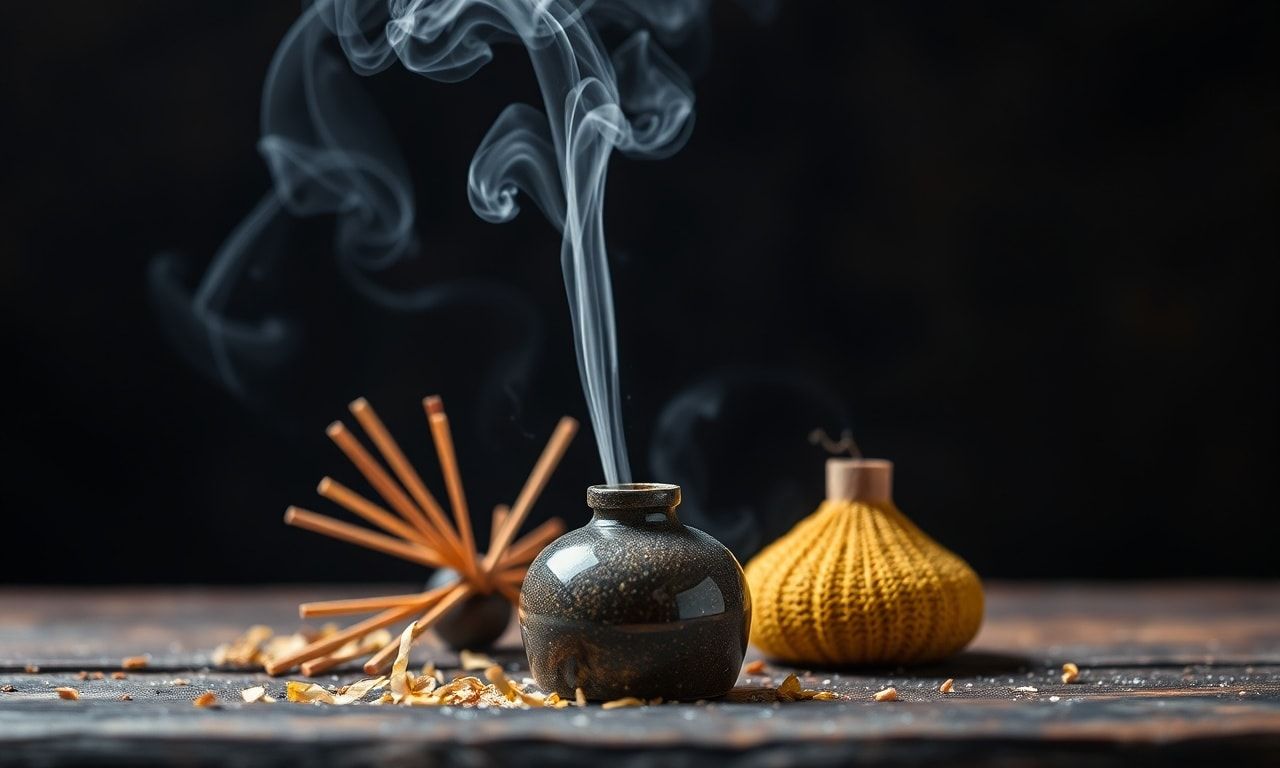
Incense has also become a popular element in home decor, adding a touch of elegance and tranquility to living spaces. The use of incense burners, often crafted from materials like ceramic, metal, or wood, not only serves a functional purpose but also enhances the aesthetic appeal of a room. The gentle smoke and pleasant aroma created by burning incense can transform a space into a serene and inviting environment, making it an ideal addition to any home.
The Future of Incense
As the world becomes more health-conscious, the incense industry is adapting to meet the demands of modern consumers. There is a growing trend towards natural and organic incense, free from synthetic fragrances and harmful chemicals. Additionally, the use of sustainable and eco-friendly materials in incense production is gaining traction, reflecting a broader commitment to environmental responsibility. The future of incense looks promising, with innovations and advancements continuing to shape its role in our lives.
Conclusion
The art of incense is a testament to the enduring connection between humanity and nature. From its ancient origins to its modern applications, incense continues to captivate and inspire. Whether used for spiritual purposes, health benefits, or simply to create a pleasant atmosphere, incense remains a cherished and valuable part of our cultural heritage. As we look to the future, the timeless allure of incense is sure to endure, enriching our lives in countless ways.
For a deeper understanding of this topic, Türkiye'de Kültürel Mirasın Yeniden Keşfi: Buhurdanlar offers valuable insights worth exploring.