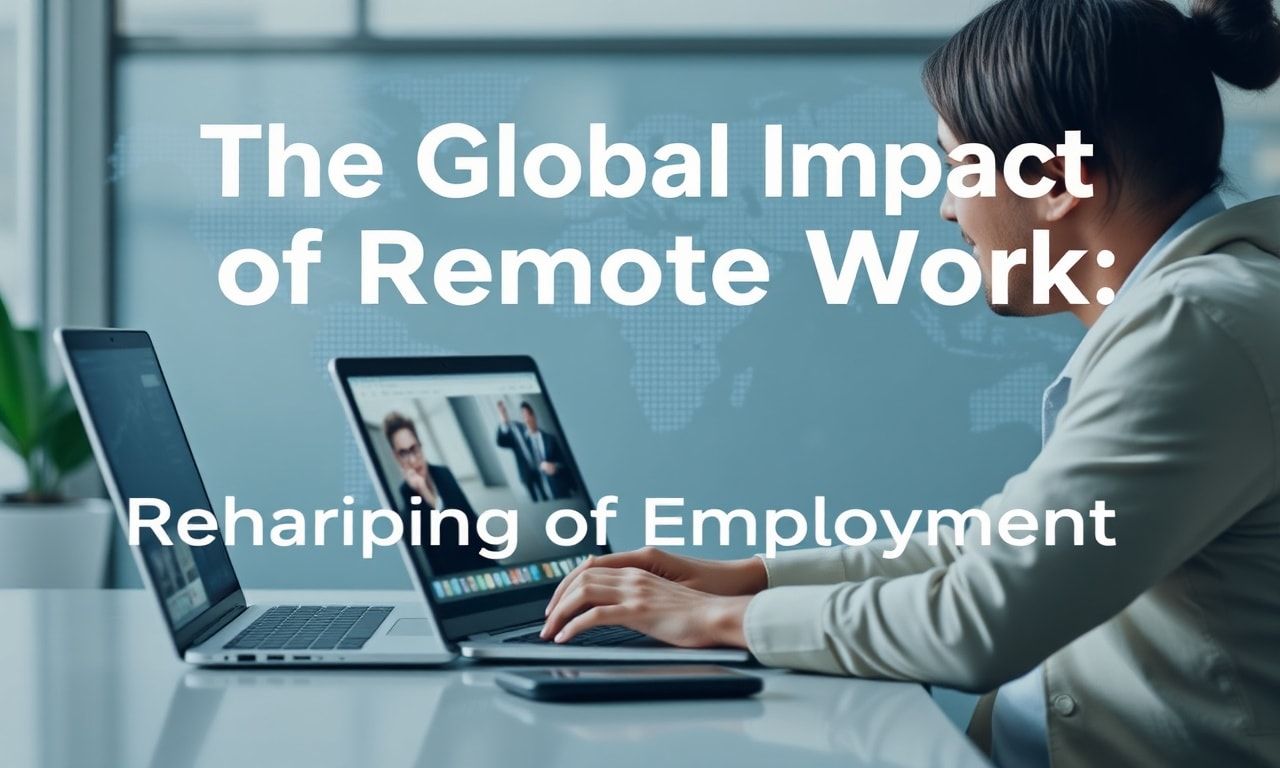
The Rise of Remote Work
The global shift towards remote work has been one of the most significant changes in the employment landscape over the past few years. Triggered by the COVID-19 pandemic, this trend has continued to gain momentum, reshaping how businesses operate and how employees approach their work-life balance. According to a recent study by Gallup, as of 2023, 45% of full-time employees in the United States work remotely at least part of the time, a significant increase from pre-pandemic levels.
The transition to remote work has been facilitated by advancements in technology, particularly in communication and collaboration tools. Platforms like Zoom, Slack, and Microsoft Teams have become essential for maintaining productivity and connectivity among dispersed teams. This shift has not only altered the traditional office environment but has also opened up new opportunities for businesses to access a global talent pool.
The Benefits of Remote Work
Remote work offers numerous benefits for both employers and employees. For businesses, the ability to hire talent from anywhere in the world can lead to increased diversity and innovation. Additionally, companies can reduce overhead costs associated with maintaining physical office spaces. For employees, remote work provides flexibility, allowing them to better balance their professional and personal lives.
However, the transition to remote work is not without its challenges. Employees often face issues related to isolation, distractions at home, and the need to establish clear boundaries between work and personal life. Employers, on the other hand, must navigate the complexities of managing remote teams, ensuring cybersecurity, and maintaining company culture.
Strategies for Effective Remote Work
To address these challenges, both employers and employees must adopt strategies that promote productivity and well-being. For employees, implementing stress management techniques daily can help mitigate the negative effects of remote work. Creating a dedicated workspace, setting clear work hours, and taking regular breaks are also crucial for maintaining a healthy work-life balance.
Employers can support their remote workforce by providing resources for mental health and well-being, such as virtual wellness programs and access to counseling services. Regular check-ins and virtual team-building activities can also foster a sense of community and connection among remote employees. Additionally, investing in robust cybersecurity measures is essential to protect sensitive company data.
The Future of Remote Work
As remote work continues to evolve, it is clear that this trend is here to stay. Many companies have adopted hybrid work models, offering employees the flexibility to work from home part of the time while still maintaining a physical office presence. This approach allows businesses to reap the benefits of remote work while addressing some of the challenges associated with it.
The future of remote work will likely be shaped by advancements in technology, changes in workplace culture, and evolving employee expectations. As businesses continue to adapt, the remote work landscape will undoubtedly undergo further transformations, creating new opportunities and challenges for both employers and employees alike.
Conclusion
The global impact of remote work is undeniable, reshaping the future of employment in profound ways. While the transition to remote work presents both opportunities and challenges, the adoption of effective strategies can help businesses and employees thrive in this new work environment. As the world continues to adapt, the remote work trend will undoubtedly play a pivotal role in shaping the future of the global workforce.