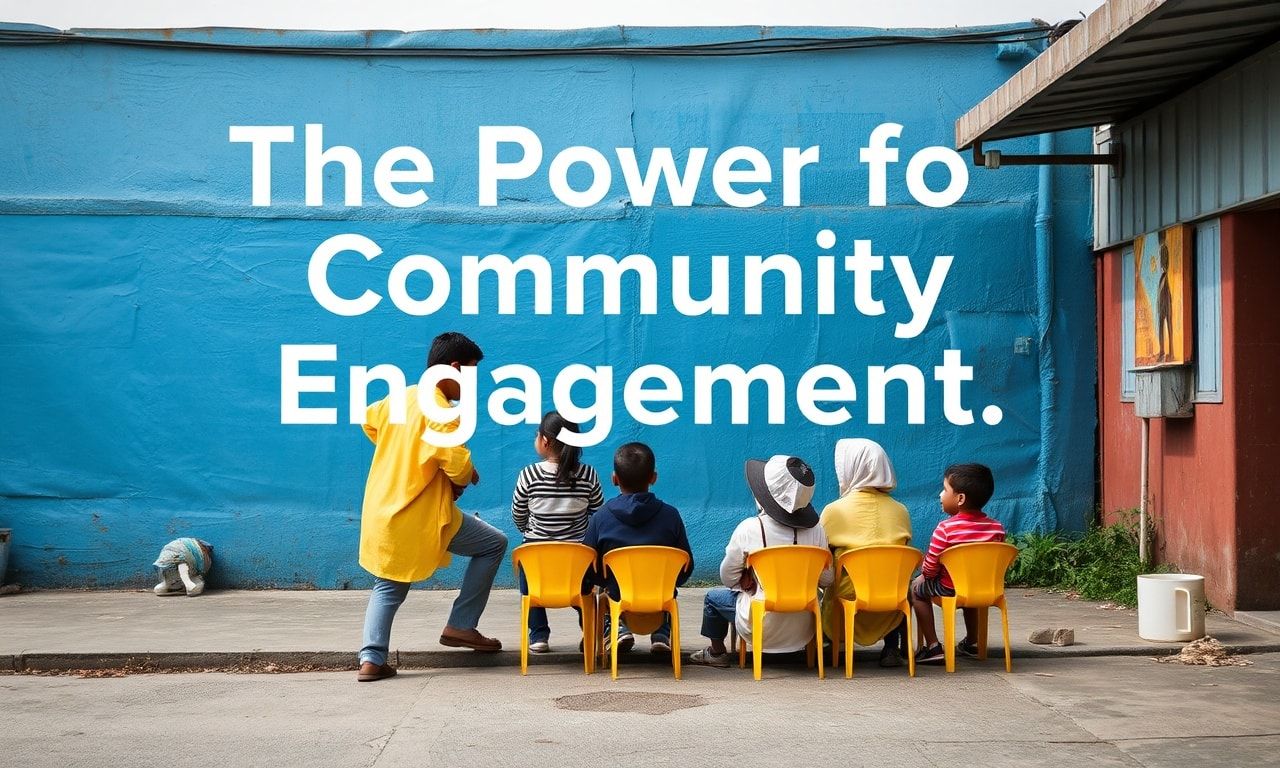
The Importance of Community Engagement
Community engagement is a cornerstone of societal development and cohesion. It fosters a sense of belonging, encourages civic responsibility, and drives local economic growth. In an era where digital interactions often overshadow face-to-face connections, the importance of community engagement cannot be overstated. It is through collective efforts that neighborhoods can address local issues, celebrate cultural diversity, and create a more inclusive environment for all residents.
Understanding Community Engagement
Community engagement involves the active participation of local residents in the decision-making processes that affect their lives. This can range from attending town hall meetings to volunteering at local schools or organizing community events local activities. The goal is to ensure that the voices of all community members are heard and considered in the planning and implementation of local projects. Effective community engagement requires transparency, trust, and a commitment to collaboration.
Key Components of Community Engagement
Several key components are essential for successful community engagement:
- Inclusivity: Ensuring that all members of the community, regardless of background or status, have the opportunity to participate.
- Transparency: Providing clear and accessible information about community projects and decisions.
- Collaboration: Working together with local organizations, businesses, and government agencies to achieve common goals.
- Empowerment: Encouraging community members to take an active role in shaping their neighborhood’s future.
The Benefits of Community Engagement
Engaged communities experience numerous benefits that contribute to their overall well-being and prosperity. One of the most significant advantages is the strengthening of social bonds. When people come together to work on common goals, they build relationships that foster a sense of unity and mutual support. This social capital is invaluable in times of crisis or challenge, as it enables communities to rally together and overcome obstacles.
Additionally, community engagement can lead to improved public services and infrastructure. When residents are actively involved in local governance, they can identify areas that need improvement and advocate for necessary changes. This can result in better schools, safer streets, and more efficient public transportation systems. Moreover, engaged communities are often more resilient and better equipped to handle economic downturns or natural disasters.
Economic and Social Impacts
The economic impact of community engagement is also noteworthy. Local businesses benefit from increased foot traffic and customer loyalty when residents are actively involved in community events local activities. For example, a community festival organized by local residents can attract visitors from neighboring areas, boosting the local economy. Furthermore, engaged communities are more likely to attract new businesses and investment, as they demonstrate a strong sense of community spirit and stability.
Socially, community engagement promotes a sense of belonging and reduces feelings of isolation. It provides opportunities for individuals to connect with others who share similar interests and values, fostering a supportive network that can enhance mental health and well-being. Engaged communities also tend to be more diverse and inclusive, as they actively seek to involve all members, regardless of their background or circumstances.
Challenges and Solutions
Despite the numerous benefits, community engagement is not without its challenges. One of the primary obstacles is apathy or lack of interest among residents. Many people may feel that their participation will not make a difference or that their voices will not be heard. To overcome this, community leaders must work to build trust and demonstrate the tangible impacts of engagement. This can be achieved through effective communication, showcasing success stories, and involving residents in meaningful decision-making processes.
Another challenge is the lack of resources, both financial and human. Many communities struggle to secure the funding and volunteers needed to organize and sustain engagement initiatives. In such cases, partnerships with local businesses, non-profit organizations, and government agencies can provide the necessary support. Additionally, leveraging technology and social media platforms can help reach a wider audience and streamline communication efforts.
Overcoming Barriers to Engagement
To overcome barriers to engagement, communities must adopt a proactive approach. This includes:
- Education and Awareness: Informing residents about the importance of engagement and the impact of their participation.
- Accessibility: Ensuring that engagement opportunities are accessible to all, including those with disabilities or limited mobility.
- Incentives: Providing incentives for participation, such as recognition, rewards, or tangible benefits.
- Feedback Mechanisms: Establishing channels for residents to provide feedback and voice their concerns.
Case Studies: Successful Community Engagement Initiatives
Several communities around the world have successfully implemented engagement initiatives that have transformed their neighborhoods. For example, the city of Portland, Oregon, has been recognized for its innovative approach to community engagement. Through the use of participatory budgeting, residents have the power to decide how to allocate a portion of the city’s budget. This has led to the funding of numerous local projects, from park renovations to affordable housing initiatives.
Another notable example is the town of Greensburg, Kansas, which was devastated by a tornado in 2007. In the aftermath of the disaster, the community came together to rebuild and create a more sustainable future. Residents participated in town hall meetings, workshops, and volunteer efforts to ensure that the rebuilding process reflected their values and priorities. Today, Greensburg is a model of resilience and sustainability, with a strong sense of community spirit.
Lessons Learned
These case studies highlight several key lessons for successful community engagement:
- Inclusivity: Ensuring that all voices are heard and valued.
- Transparency: Providing clear and timely information about projects and decisions.
- Collaboration: Working together with local organizations, businesses, and government agencies.
- Empowerment: Encouraging residents to take an active role in shaping their community’s future.
Conclusion
Community engagement is a powerful tool for revitalizing local areas and fostering a sense of belonging and mutual support. By actively involving residents in the decision-making processes that affect their lives, communities can address local issues, celebrate cultural diversity, and create a more inclusive environment for all. While challenges such as apathy and lack of resources may arise, proactive approaches and effective communication can overcome these barriers. Through collaboration, transparency, and empowerment, communities can build a stronger, more resilient future for all residents.