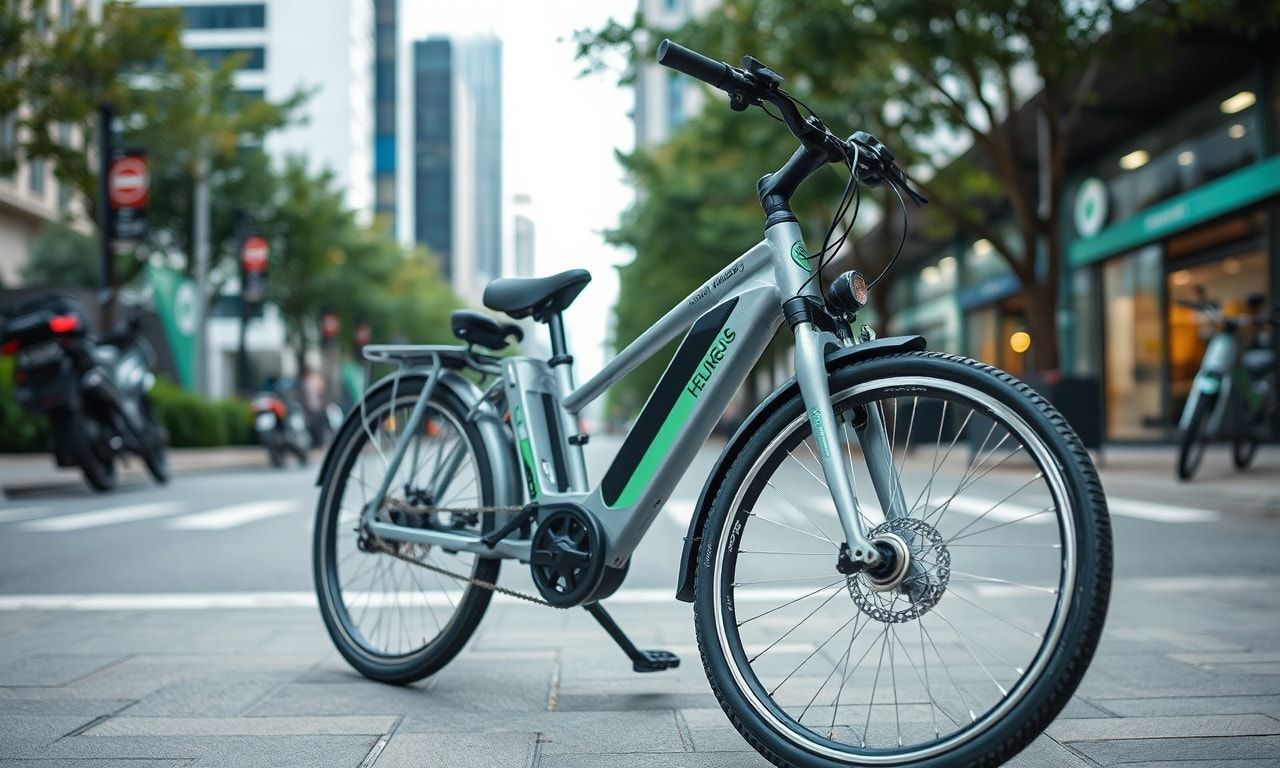
The Rise of E-Bikes: A Green Revolution in Urban Mobility
The world is witnessing a significant shift in urban transportation, driven by the growing popularity of electric bicycles, or e-bikes. This trend is not just a passing fad but a substantial move towards sustainable and efficient urban mobility. E-bikes are gaining traction among commuters, environmentalists, and even governments looking to reduce carbon emissions and traffic congestion.
The Environmental Impact of E-Bikes
One of the primary reasons for the surge in e-bike popularity is their positive environmental impact. E-bikes produce zero emissions, making them an eco-friendly alternative to cars and motorcycles. According to a study by the European Cyclists’ Federation, replacing short car trips with e-bikes could reduce CO2 emissions by up to 12% in urban areas. This reduction is crucial in the fight against climate change and air pollution, which are pressing issues in many cities worldwide.
Moreover, e-bikes require less energy to manufacture and operate compared to traditional vehicles. They are also quieter, contributing to a reduction in noise pollution. As cities become more congested, the adoption of e-bikes can help alleviate traffic and improve the overall quality of urban life.
The Economic Benefits of E-Bikes
The economic advantages of e-bikes are equally compelling. For individuals, e-bikes offer a cost-effective mode of transportation. The initial investment in an e-bike is significantly lower than that of a car, and the ongoing costs, such as maintenance and energy consumption, are minimal. E-bikes also eliminate the need for parking fees, which can be a substantial expense in urban areas.
From a broader economic perspective, the rise of e-bikes is creating new job opportunities in manufacturing, retail, and maintenance. The e-bike industry is growing rapidly, with new companies entering the market and existing ones expanding their product lines. This growth is not only beneficial for the economy but also for innovation, as companies strive to develop better and more efficient e-bike technologies.
Health and Wellness Benefits
E-bikes also offer significant health benefits. While they provide pedal assistance, they still require physical effort, making them a great way to incorporate exercise into daily routines. Regular cycling can improve cardiovascular health, boost mental well-being, and help manage weight. For those who find traditional cycling challenging, e-bikes offer a more accessible way to stay active and healthy.
Additionally, e-bikes can encourage a more active lifestyle among individuals who might otherwise rely on cars for short trips. By making cycling more accessible, e-bikes can help bridge the gap between sedentary lifestyles and active, healthy living.
Challenges and Considerations
Despite the numerous benefits, the rise of e-bikes also presents some challenges. One of the main concerns is safety. E-bikes can reach higher speeds than traditional bicycles, which increases the risk of accidents. To mitigate this, cities need to invest in better cycling infrastructure, such as dedicated bike lanes and improved signage.
Another challenge is the need for proper parking and security measures. E-bikes, like any valuable item, are susceptible to theft. It is essential for e-bike owners to take precautions to protect their investment. For those looking for Honda bike parking and security tips, there are numerous resources available to help ensure the safety of their e-bikes.
Furthermore, the regulatory framework for e-bikes varies widely across different regions. Some areas have strict regulations regarding speed limits and where e-bikes can be ridden, while others have more lenient rules. Standardizing these regulations can help ensure the safe and efficient integration of e-bikes into urban transportation systems.
The Future of E-Bikes
The future of e-bikes looks promising. As technology advances, e-bikes are becoming more efficient, affordable, and accessible. Innovations such as longer-lasting batteries, lighter frames, and advanced safety features are making e-bikes an even more attractive option for urban commuters.
Governments around the world are also recognizing the potential of e-bikes to transform urban mobility. Many cities are implementing policies to promote the use of e-bikes, such as subsidies, tax incentives, and improved infrastructure. These efforts are expected to accelerate the adoption of e-bikes and further reduce reliance on fossil fuel-powered vehicles.
In conclusion, the rise of e-bikes represents a significant shift towards sustainable and efficient urban mobility. With their environmental, economic, and health benefits, e-bikes are poised to play a crucial role in shaping the future of our cities. As technology and policies continue to evolve, the adoption of e-bikes is likely to grow, paving the way for a greener and healthier urban landscape.