The Solar Energy Revolution
The real estate market is witnessing a significant shift towards sustainability, with solar-powered homes gaining considerable traction. This trend is not only driven by environmental consciousness but also by economic factors that make solar energy an attractive option for homeowners and buyers alike. As the demand for eco-friendly living spaces grows, understanding the implications of solar-powered homes becomes crucial for both consumers and real estate professionals.
Benefits of Solar-Powered Homes
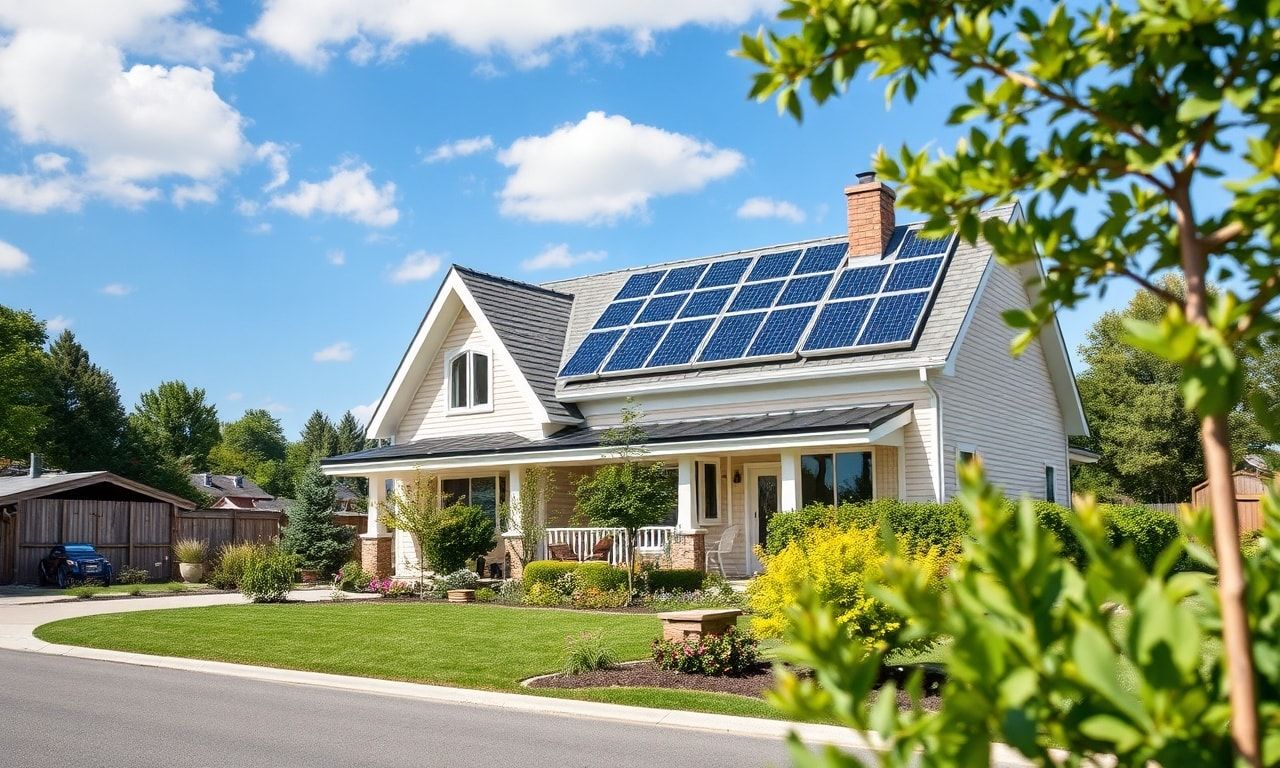
Solar-powered homes offer a myriad of benefits that extend beyond reducing carbon footprints. Homeowners can significantly cut down on electricity bills, as solar panels harness renewable energy from the sun. Additionally, many governments offer tax incentives and rebates for installing solar panels, making the initial investment more affordable. For real estate agents, highlighting these benefits can be a powerful selling point when marketing properties equipped with solar technology.
Moreover, solar-powered homes often come with increased property values. According to recent studies, homes with solar panels tend to sell faster and at higher prices compared to those without. This is particularly true in regions with abundant sunlight and strong environmental policies. Real estate agents can leverage this information to attract buyers who are looking for long-term investments and sustainable living options.
Real Estate Agent Tips for Choosing Solar-Powered Properties
For real estate agents, understanding the nuances of solar-powered homes is essential. One of the key considerations is the quality and efficiency of the solar panels installed. Agents should be well-versed in the different types of solar panels available and their respective benefits. Additionally, knowledge about local incentives and financing options can be invaluable when advising clients. For more insights, agents can refer to resources like real estate agent tips choosing solar-powered properties.
Challenges and Considerations
Despite the numerous advantages, there are challenges associated with solar-powered homes that both buyers and real estate agents should be aware of. The initial cost of installing solar panels can be high, although this is often offset by long-term savings. Another consideration is the maintenance and durability of the solar panels, as they require regular cleaning and occasional repairs. Additionally, the effectiveness of solar panels can vary based on geographical location and weather conditions, which can impact their overall efficiency.
Future Trends in Solar-Powered Real Estate
The future of solar-powered homes looks promising, with advancements in technology and increased awareness driving the market forward. Innovations such as solar roof tiles and more efficient solar panels are making it easier for homeowners to adopt solar energy. As the technology becomes more accessible and affordable, we can expect to see a rise in the number of solar-powered homes in the real estate market. Real estate agents who stay informed about these trends will be better equipped to meet the evolving needs of their clients.
Conclusion
The rise of solar-powered homes represents a significant shift in the real estate market, driven by a growing emphasis on sustainability and economic benefits. For real estate agents, understanding the intricacies of solar-powered properties is crucial for staying competitive and meeting the demands of eco-conscious buyers. By leveraging the advantages of solar energy and addressing potential challenges, agents can effectively market these properties and contribute to a more sustainable future.