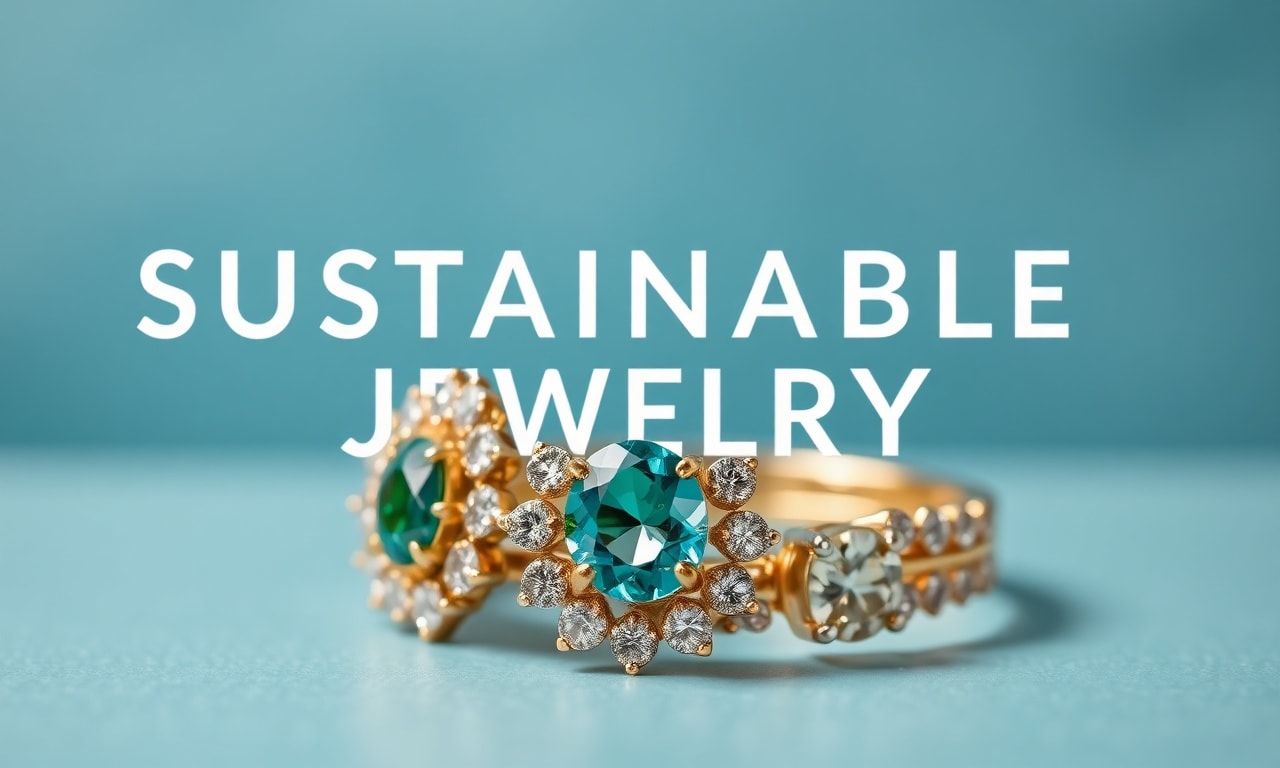
The Shift Towards Sustainability
The fashion industry is undergoing a significant transformation, with sustainability becoming a key focus. This shift is not only evident in clothing but also in the jewelry sector. Consumers are increasingly aware of the environmental impact of their purchases and are seeking out eco-friendly alternatives. This trend is reshaping the jewelry market, leading to a rise in sustainable and ethical jewelry brands.
The Environmental Impact of Traditional Jewelry
Traditional jewelry production often involves processes that are harmful to the environment. Mining for precious metals and gemstones can lead to deforestation, soil erosion, and water pollution. Additionally, the use of chemicals in the refining process can contribute to air and water contamination. The fashion industry’s carbon footprint is substantial, and jewelry production is a significant contributor.
In response to these environmental concerns, many consumers are turning to sustainable jewelry options. These pieces are made from recycled materials, ethically sourced gemstones, and eco-friendly metals. The demand for such products is growing, and more brands are stepping up to meet this need.
Ethical Sourcing and Fair Trade Practices
One of the key aspects of sustainable jewelry is ethical sourcing. This involves ensuring that the materials used are obtained in a responsible manner, with fair wages and safe working conditions for miners and craftsmen. Fair trade practices are becoming increasingly important to consumers, who want to ensure that their purchases do not contribute to exploitation or environmental degradation.
Brands that prioritize ethical sourcing often provide transparency about their supply chain. They may offer detailed information about where their materials come from and how they are processed. This transparency helps consumers make informed decisions and supports brands that align with their values.
The Role of Technology in Sustainable Jewelry
Technology is playing a crucial role in the rise of sustainable jewelry. Innovations in recycling and material science are making it possible to create beautiful, high-quality pieces with a lower environmental impact. For example, lab-grown diamonds are becoming increasingly popular as an alternative to mined diamonds. These diamonds are chemically identical to natural diamonds but are produced in a controlled environment, reducing the need for mining.
Additionally, advancements in 3D printing technology are allowing jewelers to create intricate designs with minimal waste. This technology enables precise production, reducing the amount of material that goes to waste during the manufacturing process. As technology continues to evolve, the possibilities for sustainable jewelry are expanding.
Jewelry Care Tips for Sensitive Skin
For those with sensitive skin, choosing sustainable jewelry is not only about environmental impact but also about personal health. Many traditional jewelry materials can cause skin irritation or allergic reactions. To ensure that your jewelry is both eco-friendly and skin-friendly, consider the following tips:
- Jewelry care tips for sensitive skin often recommend opting for hypoallergenic materials such as titanium, platinum, or 18-karat gold.
- Look for jewelry made from recycled or ethically sourced materials to minimize the risk of skin irritation.
- Regularly clean your jewelry to remove any buildup of dirt or chemicals that could cause irritation.
- Store your jewelry in a dry, cool place to prevent tarnishing and extend its lifespan.
The Future of Sustainable Jewelry
The future of sustainable jewelry looks promising. As consumer demand for eco-friendly products continues to grow, more brands are likely to adopt sustainable practices. This trend is not only beneficial for the environment but also for the fashion industry as a whole. By prioritizing sustainability, jewelry brands can attract a wider audience and contribute to a more responsible and ethical fashion industry.
In conclusion, the rise of sustainable jewelry is a positive development in the fashion industry. It reflects a growing awareness of the environmental and social impact of our purchases. As technology and ethical practices continue to evolve, the options for sustainable and stylish jewelry will only expand, offering consumers more choices that align with their values and lifestyle.