Baltimore’s Martin Luther King Jr. Celebration: Events and Activities
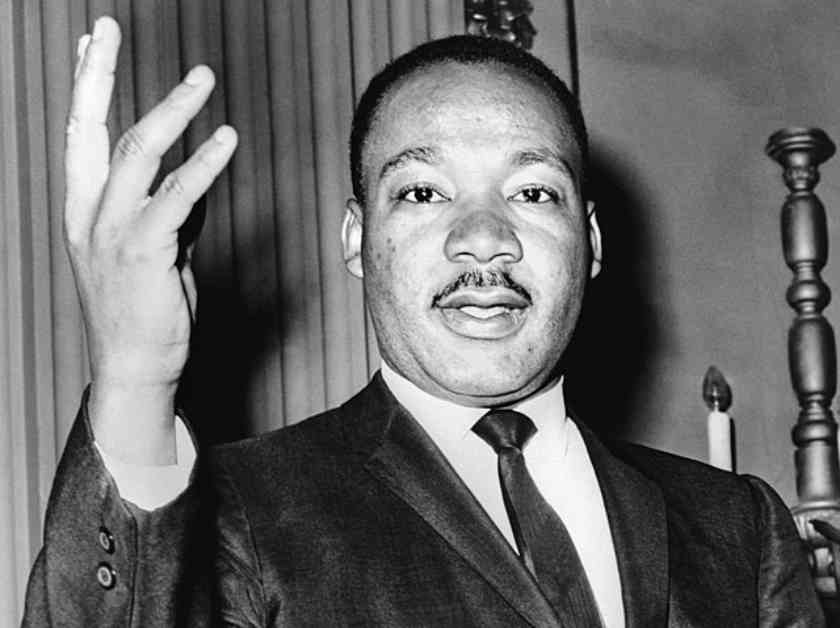
When Americans celebrate the legacy of the Rev. Dr. Martin Luther King Jr. on Monday, the late civil rights leader would have been 96 years old. This year, cultural institutions, community groups, and individuals throughout Baltimore and the surrounding region will pay tribute to King’s legacy through acts of service, performances, and various events.
Baltimore MLK Jr. Day Parade – CANCELED
The Baltimore MLK Jr. Day Parade, a longstanding tradition in the city, has been canceled this year. Performers, community groups, government officials, fraternities/sororities, and other participants were set to march, but due to unforeseen circumstances, the parade will not take place. The theme for this year’s parade was “Building Bridges, Breaking Barriers,” with Baltimore City Solicitor Ebony M. Thompson serving as the Grand Marshal.
Reginald F. Lewis Museum
The Reginald F. Lewis Museum of Maryland African American History & Culture will hold a King Day event on Monday from 11 a.m. to 4 p.m. The theme for this year’s event is “Creative Maladjustment – Moving Forward,” focusing on reflection, resilience, and purposeful action against ongoing challenges and injustices. Visitors can expect live performances, workshops, community resources, mental health support, drumming, yoga, and more. The event will include a panel discussion led by Morgan State University historian and archivist Dr. Ida Jones, with former Maryland State Sen. Jill P. Carter providing remarks on the role of her father, Walter P. Carter, in the Civil Rights Movement.
National Great Blacks In Wax Museum
The National Great Blacks in Wax Museum will open its doors on Monday from 10 a.m. to 5 p.m. to honor King’s legacy. Visitors can experience a live, interactive musical performance about the women of the Civil Rights Movement by griot Mama Deborah Pierce-Fankunle. Additionally, guests can explore wax figures, the moving Slave Ship exhibit, and the Stephen Hayes “Cash Crop” special exhibit at the museum’s location on East North Ave.
American Visionary Art Museum
The American Visionary Art Museum will host their annual MLK Dare to Dream Day on Monday from 10 a.m. to 5 p.m. Visitors can participate in various activities, including making hand-shaped pins, enjoying musical performances, an open mic and poetry slam, and an artist talk by Jess Owens. The event will also feature traditional African singing, dancing, and drumming by the Keur Khaleyi African Dancers, with food available for purchase from Absolutely Perfect Catering.
As a child, my family always celebrated Martin Luther King Jr. Day by attending local events that honored his legacy. It was a time for us to reflect on his teachings and the impact he had on the civil rights movement. These celebrations brought our community together and reminded us of the importance of equality and justice for all. Whether it was participating in a parade, attending a museum exhibit, or listening to inspiring speakers, MLK Day was always a day filled with hope and inspiration. I carry those memories with me to this day, and they continue to inspire me to work towards a more just and inclusive society.