The Shift to Remote Work
The global pandemic has accelerated the shift towards remote work, a trend that is reshaping urban real estate markets. With many companies adopting hybrid or fully remote work models, the demand for traditional office spaces is declining. This shift is not only affecting commercial real estate but also influencing residential property trends. As employees spend more time at home, the need for larger, more functional living spaces has increased. This has led to a surge in demand for homes with dedicated workspaces, driving up prices in suburban and rural areas.
The Rise of Suburban Living
One of the most significant impacts of remote work is the renewed interest in suburban living. Many urban dwellers, seeking more space and affordability, are relocating to the suburbs. This exodus from cities has led to a boom in suburban real estate markets. Homebuyers are prioritizing larger properties with home offices, gardens, and outdoor spaces. The demand for these features has driven up property values in suburban areas, creating new opportunities for investors and developers. Additionally, the availability of high-speed internet in these areas has made remote work feasible, further fueling this trend.
Home Improvement Trends
With more time spent at home, homeowners are investing in home improvement projects to create comfortable and functional workspaces. From converting spare rooms into home offices to building outdoor workspaces, the focus is on maximizing living spaces. For those looking for inspiration, resources like home improvement ideas budget tips can provide valuable guidance on creating efficient and stylish work environments. These improvements not only enhance the quality of life but also add value to properties, making them more attractive to potential buyers.
The Decline of Urban Office Spaces
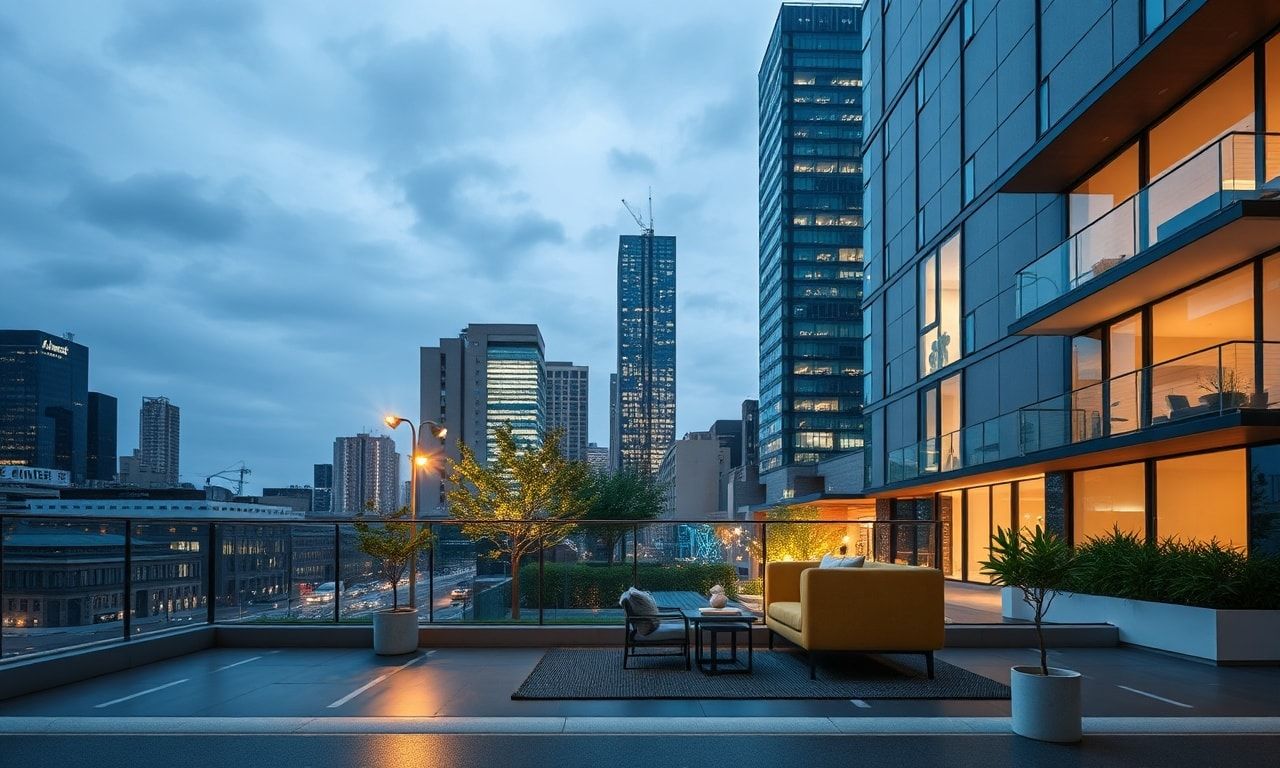
The decline in demand for traditional office spaces is another significant trend in the real estate market. Many companies are downsizing their office footprints or adopting flexible workspace solutions. This shift has led to a surplus of office buildings, particularly in urban areas. As a result, landlords are offering competitive lease terms and incentives to attract tenants. Some buildings are being repurposed for residential or mixed-use developments, reflecting the changing needs of the market. The long-term impact of this trend remains to be seen, but it is clear that the commercial real estate sector is undergoing a significant transformation.
The Future of Urban Real Estate
The future of urban real estate is uncertain, but several trends are emerging. One possibility is the revitalization of urban centers as hubs for innovation and community engagement. Cities may focus on creating vibrant, walkable neighborhoods that attract residents and businesses. Additionally, the demand for affordable housing in urban areas may increase as remote workers return to cities for social and cultural opportunities. The real estate market will need to adapt to these changing dynamics, offering flexible and affordable housing solutions that meet the needs of a diverse population.
Conclusion
The impact of remote work on urban real estate markets is profound and far-reaching. From the rise of suburban living to the decline of traditional office spaces, the real estate sector is undergoing a significant transformation. As the world continues to adapt to the new normal, the demand for functional and affordable living spaces will shape the future of urban and suburban real estate markets. For those looking to navigate these changes, staying informed and exploring innovative solutions will be key to success.